

Virelona

Professional training in game environment creation and 3D world building techniques

Build Game Worlds That Players Remember

Learn 3D environment creation from working professionals

We started teaching 3D game environments in 2024 because studios kept asking where to find artists who understood both the technical and creative sides. Our courses show you how environments actually get built in production pipelines, not just theory from textbooks.

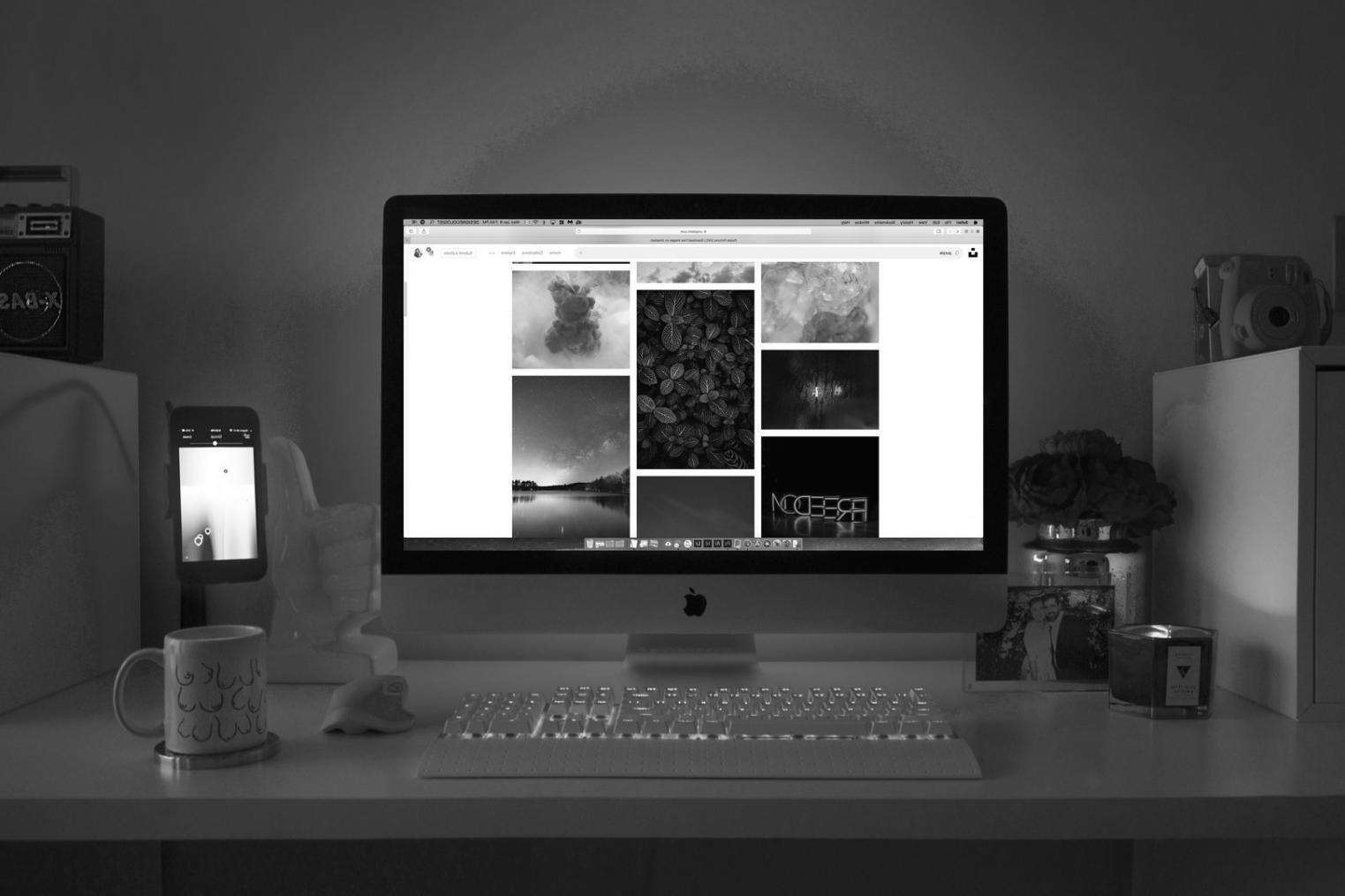
3D environment workspace showing modeling software and game engine tools

When You Get Stuck, We're There

Learning 3D isn't always smooth. You'll hit walls with topology, struggle with lighting, wonder why your textures look wrong. That's when having actual support matters.

Direct Instructor Access

Ask questions in our Discord. Instructors typically respond within a few hours during weekdays. No waiting days for generic support ticket responses.

Weekly Live Sessions

Every Wednesday evening we do live Q&A where you can share your screen and get feedback on your specific problems. Recordings available if you can't make it.

Resource Library

Access our collection of workflow templates, shader presets, and reference materials. Built from what actually works in production, not random internet downloads.

Professional networking event with game development professionals discussing environment art

Connect With People Actually Doing This Work

Your classmates aren't random beginners. They're artists at different stages, some already working in studios, others building portfolios. The instructors? They're currently shipping games while teaching.

We've had students land their first environment art jobs through connections made in class. Not because we promise job placement, but because you're learning alongside people in the industry.
  • Monthly virtual meetups with guest environment artists from active projects
  • Portfolio review sessions where working artists give honest feedback
  • Alumni network of over 200 environment artists across 15 countries
  • Student project showcases that instructors share with their studio contacts

What Happens After Students Finish

These numbers represent real outcomes from our first year of courses. Not everyone gets the same results, but this shows what's possible when people put in the work.

73%
Portfolio Completion Rate

Students who finish the full program end up with 3-5 portfolio pieces. That's the minimum most junior positions want to see.

28
Studio Placements

Alumni who landed environment art roles in the past year. Mostly junior positions, a few mid-level. Studios range from mobile to AAA.

4-6
Months Average

How long most students take to complete the program while working other jobs. Some go faster, some take longer. Life happens.

Software and Services Included

You get access to the tools we use throughout the course. No hunting for educational licenses or trial versions.

Industry-Standard Software

Educational licenses for Blender, Substance Suite, and Unreal Engine. All legal, all included in your enrollment. Plus training on Maya if your eventual studio uses it.

Render Farm Access

Monthly credits for cloud rendering. Stop waiting hours for your machine to finish baking lighting. Render overnight, review results in the morning.

Asset Libraries

Curated collections of reference photos, PBR materials, and base meshes. Saves you weeks of searching for good references or building basic elements from scratch.

Video Platform

All lessons hosted on our own platform. Watch at any speed, download for offline viewing, resume where you left off. No ads, no algorithm pushing other content.

Learn Alongside People Who Get It

The Discord isn't just for questions about assignments. It's where students share workflow tips, debug shader issues together, and post work-in-progress shots for feedback. Instructors participate daily, but the best advice often comes from classmates who just solved the same problem.

Active Daily Discussion

Current students and alumni stay around to help. You'll recognize names, build actual relationships, maybe find collaborators for personal projects.

Shared Workflows

Someone figures out a better way to handle modular architecture? They share the approach. Community collectively gets better at solving common problems.

Progress Accountability

Easier to stay motivated when others post their progress. Not competitive, just helpful to see you're not alone in the learning process.

Students collaborating on 3D environment project in modern learning space

Ready to Start Building Game Environments?

Look through our student projects to see what people actually create. Or reach out with questions about whether this fits where you're at in your learning journey.